
The razor-thin lifeline that keeps the Baltics and Europe connected
It's the Suwalki Gap ya'll!

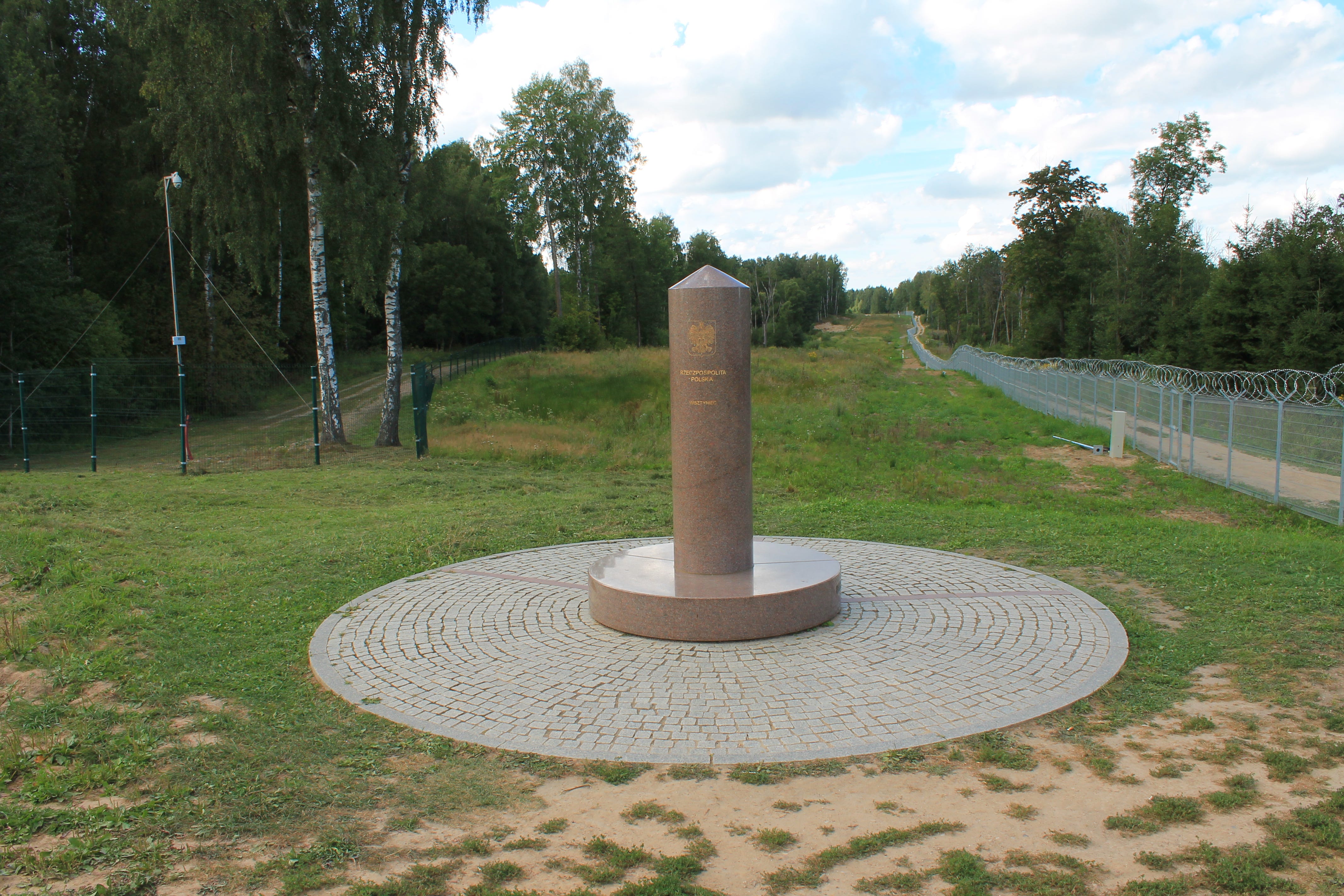
I’m not much of a geopolitics person and, generally, I don’t try to write about the subject too much. It’s too messy and newsy. It’s just not what I like to write about despite “geo” being very prominent within the subject. That said, every once in a while there does come a topic that is geopolitical in nature, but also highly geographical. Case and point: the tiny little land bridge that connects the Baltic countries of Estonia, Latvia and Lithuania to the rest of the European Union.
Which, by the way, if you’re curious about the Baltics more broadly, be sure to check out my video this week:
Alright let’s get back to the Suwalki Gap. So there are places on the map that, despite a quiet appearance, carry an immense weight of strategic importance. They are geopolitical fault lines so to say, where the interests of great powers or great happenstance converge. One such place is this gentle, rolling stretch of countryside in northeastern Europe.
Now, to the casual observer, there’s no much special about this little corridor. It’s most quiet farmsteads with maybe some lakes and forests nearby. But to military strategists, it’s one of immense vulnerability. Whether that’s a good or bad thing depends entirely on whether your within NATO (bad) or Russia (good).
What is the Suwalki Gap?
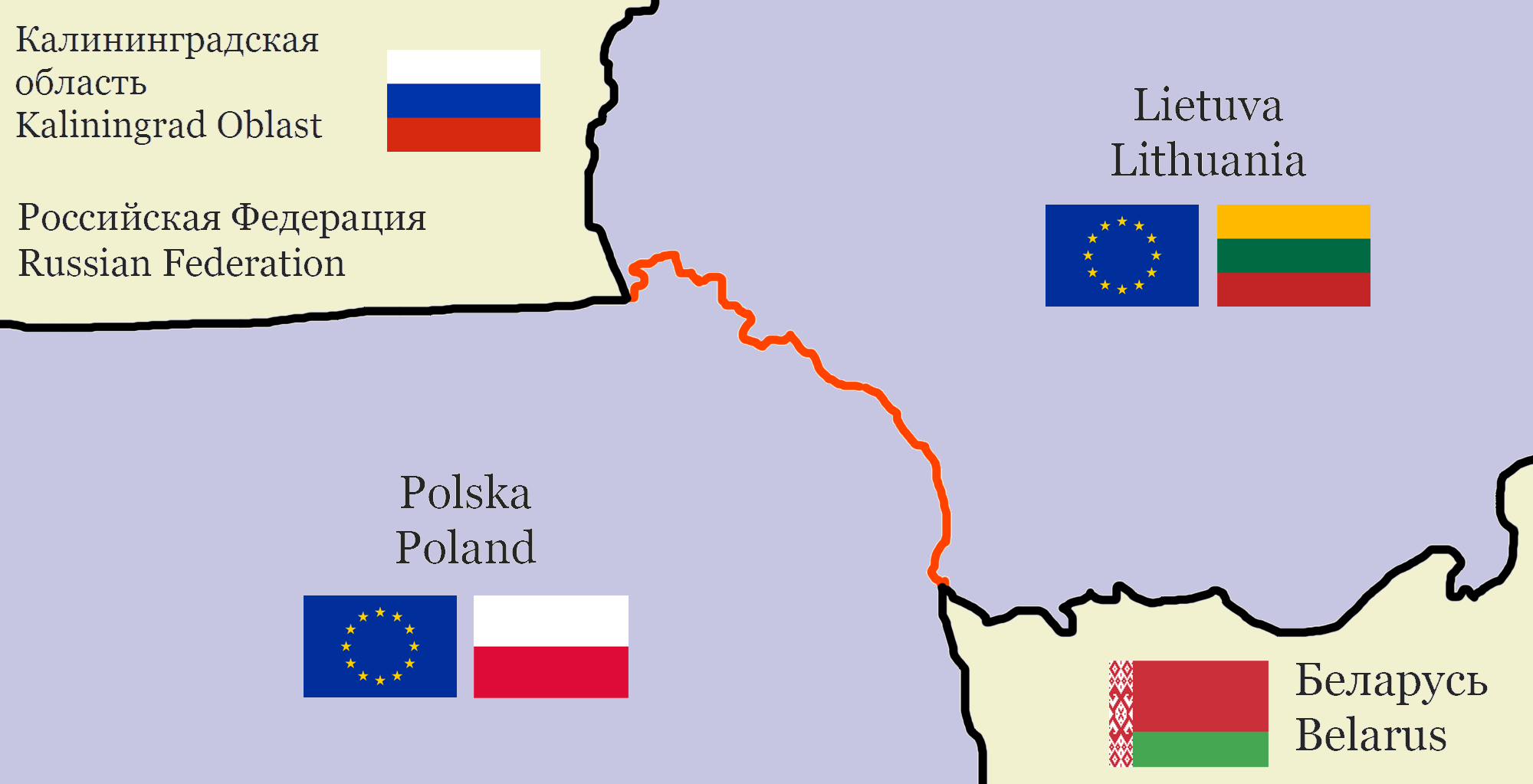
The Suwalki Gap, also known as the Suwalki Corridor, is the name given to the approximately 65 kilometer (40 mile) stretch of land that roughly marks the border between Poland and Lithuania. And it’s this location that makes it so critical. To its west lies the heavily militarized Russian exclave of Kaliningrad (which is like a whole other story). And to its east is Belarus, a close ally of Moscow.
Basically, you can think of it as a bridge. And just like with any bridge, if it goes down, there’s no crossing it. For NATO, this gap is the only land connection between the Baltic states of Estonia, Latvia and Lithuania and the rest of their European allies. It’s the very physical thread that keeps these three nations stitched to the main body of Europe. And if this thread were to be cut, the Baltic states would be isolated, transformed into a "NATO island" surrounded by Russian and Belarusian territory.
Why is it so important?
The Suwalki Gap is in an otherwise very uninteresting geographic location. Being that its part of the In the event of a conflict between Russia and NATO, the gap would almost certainly become a primary objective. For Russia, seizing control of this corridor would be a devastatingly effective move. It would sever the Baltic states from reinforcement and resupply by land, linking Kaliningrad with Belarus and creating a formidable barrier.
It’s so vulnerable that NATO military planners have long referred to the Suwalki Gap as NATO's Achilles' heel. Its geography (largely flat, sparsely populated farmland with few natural obstacles) makes it relatively easy terrain for armored columns to cross quickly. And defending it would be a monumental challenge. The narrowness of the corridor means that any defending force could be easily outflanked and overwhelmed from two sides, Kaliningrad and Belarus.
This strategic reality has turned the region into a focal point for military planning and exercises. Both NATO and Russia constantly watch troop movements here, and the quiet skies are often crisscrossed by reconnaissance aircraft. For NATO, ensuring the gap remains open is paramount; for Russia, the ability to close it represents a powerful strategic lever.
But what’s really interesting to me is that this monumentally important area is actually quite boring. Away from the geopolitics of it all, life in the Suwalki region is quite docile. In fact, without the geopolitics, this would be a historic borderland, where Polish, Lithuanian, and other cultures have mixed for centuries. The landscape is beautiful, part of a region known as the "Green Lungs of Poland" for its pristine nature.
The towns are small, and the economy is largely agricultural. People tend to their fields, fish in the numerous lakes, and cater to tourists who come to enjoy the relatively unspoiled scenery. For the people who call it home, the geopolitical-ness of it all is more abstract and not usually top of mind.
But, the undercurrent of tension is never entirely gone. NATO military convoys occassionally pass through on their way to a training exercise. And, of course, Russia is always watching what’s going on in the region. I doubt a lone truck driving down a dirt road would go unnoticed here. And so the locals live in a bit of a paradox: they live in one of Europe's most peaceful and naturally beautiful corners, which also happens to be one of its most dangerous potential flashpoints.
I was in Lithuania up until recently and I quite regret not going and seeing it for myself. But I suppose there’s always next time.
Interesting read. Thank you. I really enjoy your videos too.
I'm Ashkenazi Jewish, of Eastern European descent, and my great-grandfather on my paternal grandfather's side came from the Suwalki region (with my other great-grandparents on my father's side coming from not so far away - the farthest being Smolensk, just inside present-day Russia towards Moscow).